

There is a moment in every renovation when you step back and ask yourself if it is actually done. The big stuff is finished. The floors are in, the paint is dry, the new cabinets are installed, and the furniture is back in place. But something still feels off. You cannot always put your finger on it. The room looks good in photos, but in person it feels slightly hollow. It feels like a house that was remodeled, not a home that was finished.
That gap is almost always about the details. Not the expensive, flashy details that everyone posts on social media. I am talking about the quiet details. The seams, the edges, the transitions, the hardware, and the things you touch without thinking. These are the elements that signal to your brain whether a space is truly complete or just mostly done.
Over the years, I have walked through plenty of renovated homes. Some of them looked stunning at first glance, but the longer I stayed, the more I noticed the little unfinished edges. A sloppy caulk line here, a mismatched transition strip there, a dirty old vent staring at me from the ceiling. Those small flaws pulled the whole room down. They made the renovation feel rushed.
Other homes were not necessarily flashier. They just had a sense of calm and completeness. Every corner was tight, every gap was filled, every surface was clean. The difference was not the budget. It was the attention to the finishing details.
Let’s talk about those details. The ones that separate a finished home from an unfinished one.
The Art of the Caulk Line
Caulk is probably the least exciting product in the hardware store. It comes in a tube, it smells weird, and it gets all over your fingers. But in the hands of someone who cares, caulk is magic. It hides the gap between the wall and the trim. It seals the joint between the tile and the bathtub. It makes two different materials look like they were always meant to meet.
An unfinished home has visible gaps. You see a dark shadow line where the baseboard meets the wall. You see a crack between the window casing and the drywall. These gaps collect dust and crumbs. They make the room feel dirty even right after you vacuum. A finished home has smooth, clean joints. The caulk is painted to match the trim, and the lines are straight and even. It is a subtle difference, but it changes the entire feel of the room.
If you are doing the work yourself, take your time with the caulk. Cut the tip at an angle, apply a steady bead, and smooth it with a wet finger or a caulking tool. Do not leave blobs or ridges. If you mess up, wipe it off and try again. The extra ten minutes you spend on the caulk will pay off every time you look at the wall.
Transition Strips That Do Not Fight the Floor
When you have two different types of flooring meeting at a doorway, you need a transition strip. That is a fact. But the type of transition strip you choose says a lot about the quality of the renovation. A cheap, shiny silver strip might technically do the job, but it screams “builder grade” and looks like an afterthought.
A finished home uses transitions that complement the flooring. If you have warm oak floors, the transition should be wood toned or at least a muted bronze. If you have a modern gray floor, a matte black or brushed nickel strip can work. The strip should also be the right height. If the two floors are different thicknesses, you need a reducer that slopes gently from the higher floor to the lower one. A flat strip will create a lip that catches toes and looks awkward.
The goal is for the transition to disappear. You want the eye to move smoothly from one room to the next without stopping at the threshold. When the transition is done right, nobody notices it. When it is done wrong, it is the first thing you see.
Doors That Swing Properly
Doors are one of those things that you do not think about until they do not work. A door that scrapes against the floor, or one that will not latch, or one that swings shut on its own, is a constant source of frustration. It makes the whole house feel shabby.
During a renovation, the doors often get taken off and put back on. This is the time to fix the little problems. If the new floor is thicker, the bottom of the door might need to be trimmed. If the hinges are loose, the screws need to be tightened or replaced with longer ones. If the door is sticking, it might need to be sanded or adjusted.
The hardware matters too. A brand new doorknob on a freshly painted door feels solid and satisfying. An old, wobbly knob feels cheap. Even the little strike plate on the frame should be clean and straight. These are small things, but they add up. A house full of doors that open and close smoothly feels well built and cared for.
The Forgotten Air Registers
Here is a scenario I see all the time. A homeowner spends weeks picking out the perfect paint color, the perfect floor, and the perfect light fixtures. The room looks beautiful. Then you look up at the ceiling, or down at the floor, and there is a nasty old metal grate. It is covered in years of paint splatter, bent from being kicked, and caked with dust. It is the only thing in the room that still looks like the before photo.
Those air registers are easy to ignore. They are functional, and they are usually not in the direct line of sight. But once you notice them, you cannot unsee them. They ruin the look of a fresh renovation. The good news is that they are also one of the easiest things to replace.
You do not need a contractor. You do not need any special tools. Most of the time, you just lift the old one out and set the new one in. But you do need to remember to buy them. When you are planning your renovation, count the vents in each room. Measure the openings so you get the right size. Then buy new ones before the project starts so they are ready to go in on the final day.
If you have registers in the floor, those take a beating. They get walked on, vacuumed over, and scraped by furniture. A new floor vent makes the whole floor look crisp. If you have registers on the wall, a clean white or metallic cover brightens the wall. And do not forget the ones up high.
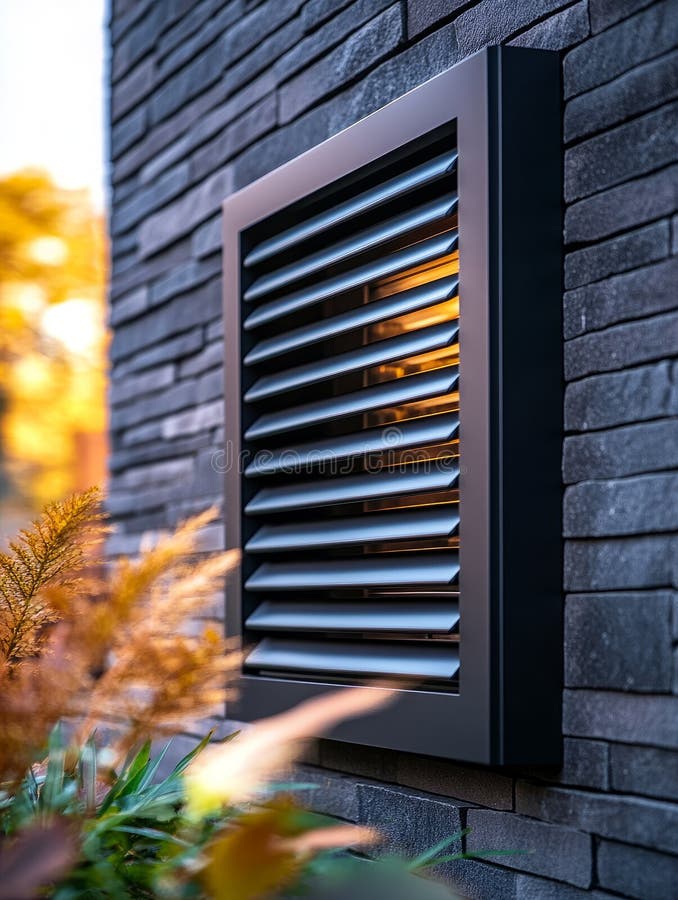
The registers on the ceiling are often the dirtiest because dust rises and settles on them. They are also the most visible in rooms with high ceilings. Replacing those Ceiling Vent Covers can be a bit of a pain because you need a ladder, but it is absolutely worth it. A clean, bright vent cover on the ceiling makes the whole ceiling look cleaner. It is a small detail that most people miss, and that is exactly why it matters.
Baseboards and Shoe Molding That Look Intentional
Baseboards are the meeting point between the wall and the floor. They are also one of the most abused parts of a house. They get kicked by shoes, scuffed by vacuums, and splattered with paint. A renovation is the perfect time to refresh them.
In an unfinished home, the baseboards might be old, cracked, and separated from the wall. There might be gaps between the baseboard and the floor because the new flooring is lower than the old flooring. Those gaps collect dust and look messy. The fix is shoe molding or quarter round. That small strip of trim covers the gap and gives the baseboard a finished look.
A finished home has crisp, clean baseboards. They are painted with a semigloss or high gloss paint that wipes clean easily. The caulk line between the baseboard and the wall is smooth and painted. The shoe molding is tight to the floor. It is a lot of little steps, but the result is a room that looks professionally finished.
Light Switch Plates and Outlet Covers
I have said this before, but it bears repeating because it is so easy to miss. The little plastic plates on your light switches and outlets are right at eye level. You touch them every day. In most homes, they are yellowed, cracked, or covered in old paint. They make the walls look dirty even when the paint is fresh.
Replacing them is one of the cheapest upgrades in a renovation. A pack of new white covers costs a few dollars. You can swap out every cover in the house in under an hour. If you want to go the extra mile, replace the actual switches and outlets too. Modern outlets grip plugs tightly, and rocker switches feel more solid than the old toggle switches. It is a small detail, but it makes the whole room feel newer.
Do not forget the screws. If you are reusing the old covers, at least replace the old painted screws. A clean white plate with a bright new screw is a tiny thing, but it is the kind of tiny thing that separates a careful renovation from a rushed one.
The Window Sills and Frames
Windows are a focal point in every room, but the sills and frames often get ignored. They collect dust, dead bugs, and water stains. During a renovation, take a few minutes to clean them up. Sand down the rough spots, fill any cracks with wood filler, and give them a fresh coat of paint.
If you have wood windows, the sills might need to be scraped and repainted. If you have tile or stone sills, scrub them and reseal them if necessary. A clean window sill makes the whole window look better. It also gives you a place to rest a plant or a book without feeling like you need to wipe it down first.
The window hardware matters too. Old locks and latches that are stiff or broken make the window feel neglected. Replacing them is usually a simple screwdriver job. A window that opens and closes smoothly is a small luxury that you will appreciate every time you want fresh air.
The Closet Interiors
Closets are the rooms we hide from guests. They are also the rooms we use every single day. Yet during a renovation, they are often ignored. The closet gets used for storage while the work is happening, and then it is never updated.
Take the time to paint the inside of your closets. A bright white paint makes the space feel bigger and cleaner. Replace the old sagging shelf and the bent rod. Add a small light if there is not one. These are not glamorous changes, but they make your daily routine feel a little smoother. Getting dressed in a clean, well lit closet is a simple pleasure that many people miss out on.
The Final Layer of Styling
A finished home is not just about the construction. It is also about the way the space is dressed. The rugs, the pillows, the art, and the plants. These are the things that make a room feel lived in and loved.
In an unfinished home, the surfaces are bare. The coffee table is empty. The walls are blank. The windows are bare. The room feels like a showroom, not a home. The fix is simple. Add a few well chosen accessories. A soft throw over the arm of the sofa. A stack of books on the coffee table. A piece of art on the wall. A plant in the corner. These are the things that add warmth and personality.
You do not need to spend a fortune. A few meaningful pieces are better than a bunch of random knick knacks. The goal is to create a space that feels intentional and comfortable. A finished home is one where you can sit down, relax, and feel like everything is in its right place.
The Final Walkthrough
When you think you are done, take a walkthrough. But do not just glance around. Look closely. Crouch down and look at the baseboards. Look up at the ceiling. Run your hand along the trim. Open and close every door. Flip every light switch. Turn on every faucet.
You are looking for the little flaws. The gap that needs caulk. The screw that is loose. The transition that sticks up. The vent cover that is still dirty. Make a list and fix them one by one. This is the tedious part of the renovation, but it is the part that makes the difference.
A finished home is not just about what you see from across the room. It is about what you notice when you live there. It is the quiet satisfaction of knowing that every detail was handled. It is the feeling that the space is complete.
So do not rush the final details. They are the difference between a house that is almost done and a home that is truly finished. The caulk, the transitions, the doors, the hardware, and yes, even the Vent Covers. All of it matters. Pay attention, take your time, and do it right. You will feel the difference every single day.