

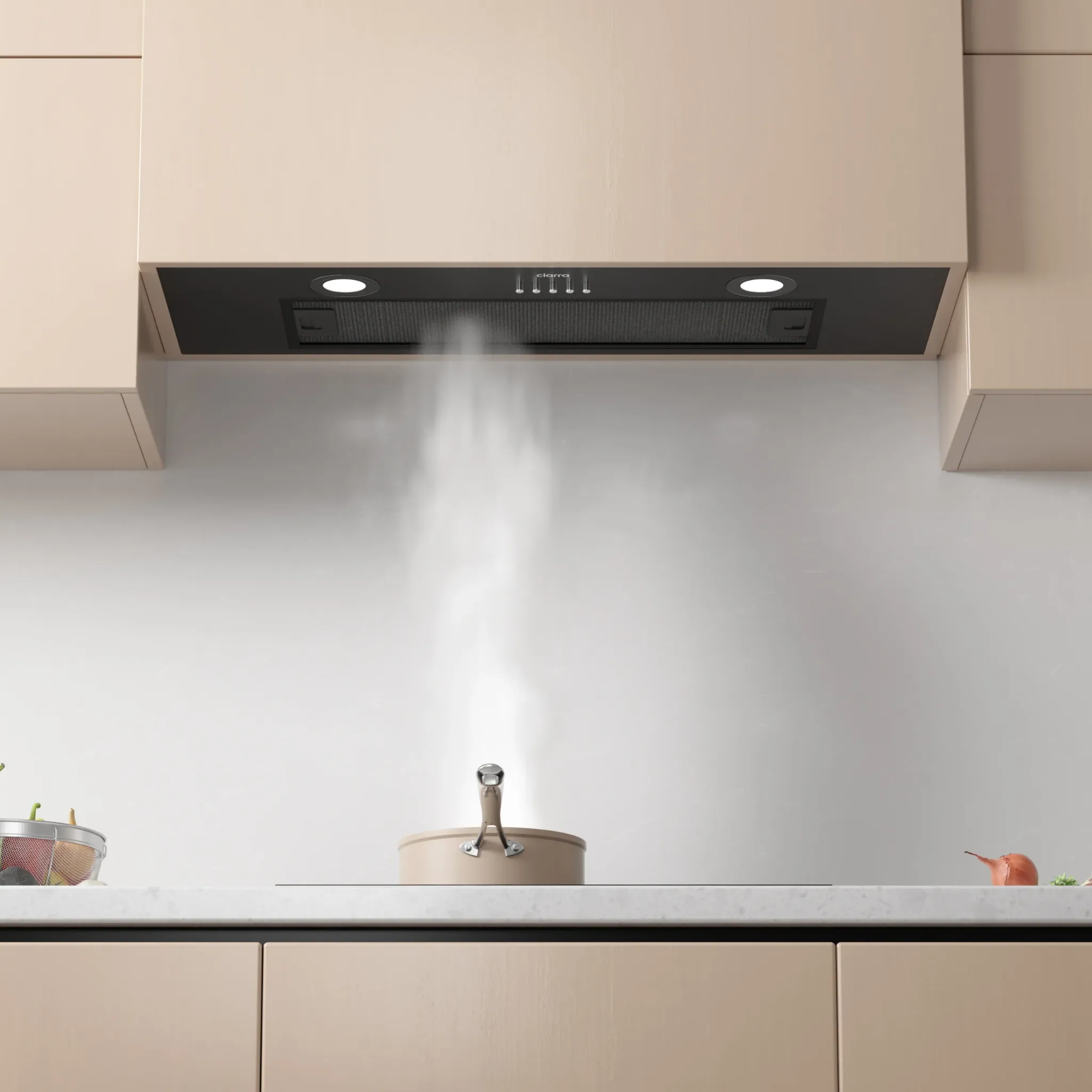

When designing or upgrading a kitchen, ventilation is often overlooked—but it plays a critical role in maintaining air quality and comfort. One of the most effective and stylish solutions available today is the range hood insert. These built-in ventilation systems combine functionality with a seamless appearance, making them a popular choice for modern kitchens.
In this comprehensive guide, you’ll learn everything you need to know about range hood inserts, including how they work, their benefits, types, installation tips, and how to choose the best one for your needs.
What Are Range Hood Inserts?
Range hood inserts, also known as built-in or custom hood inserts, are ventilation units installed inside a custom hood enclosure or cabinetry. Unlike standalone range hoods, inserts are designed to be hidden, offering a clean and integrated look in your kitchen.
They typically include essential components such as:
- A motor or blower
- Filters to trap grease and particles
- Lighting for better cooking visibility
- Control panels for speed and lighting adjustments
Because they are installed within custom structures, range hood inserts allow homeowners to maintain their desired kitchen aesthetic without compromising performance.
How Do Range Hood Inserts Work?
Range hood inserts function by pulling in smoke, grease, steam, and odors produced during cooking. The air is either:
- Ducted outside, removing contaminants completely, or
- Recirculated, where filters clean the air before sending it back into the kitchen
The effectiveness of an insert depends on its airflow capacity, measured in CFM (cubic feet per minute). Higher CFM ratings mean stronger ventilation power.
Benefits of Range Hood Inserts
1. Seamless Design Integration
One of the biggest advantages of range hood inserts is their ability to blend into your kitchen design. Whether you prefer a rustic wooden hood or a sleek modern cabinet, inserts remain hidden while doing the heavy lifting.
2. Powerful Ventilation
Range hood inserts often provide powerful airflow, making them suitable for heavy cooking, especially in kitchens with gas stoves or frequent frying.
3. Space-Saving Solution
Since they are built into cabinetry or custom hoods, they save space and keep your kitchen looking uncluttered.
4. Customization Options
You can pair inserts with a variety of hood designs, giving you full control over the final look of your kitchen.
5. Improved Air Quality
By effectively removing pollutants, inserts help maintain a healthier indoor environment for you and your family.
Types of Range Hood Inserts
1. Ducted Range Hood Inserts
These systems vent air outside your home through ductwork. They are the most efficient option for removing smoke, grease, and odors.
Pros:
- Superior performance
- Removes heat and humidity
Cons:
- Requires duct installation
- Higher installation cost
2. Ductless (Recirculating) Inserts
These use charcoal filters to clean the air before recirculating it back into the kitchen.
Pros:
- Easier to install
- Suitable for apartments
Cons:
- Less effective than ducted systems
- Filters require regular replacement
3. Inline or Remote Blower Inserts
These inserts have blowers located away from the hood, often in the attic or outside the house, reducing noise levels in the kitchen.
Key Features to Consider
1. CFM Rating
Choose a model with appropriate airflow capacity based on your cooking habits. For heavy cooking, opt for at least 600–900 CFM.
2. Noise Level
Measured in sones, quieter models are more comfortable for everyday use. Remote blowers can help reduce noise significantly.
3. Filter Type
- Baffle filters: Durable and dishwasher-safe
- Mesh filters: Affordable but require frequent cleaning
- Charcoal filters: Used in ductless systems
4. Lighting
LED lights are energy-efficient and provide excellent visibility while cooking.
5. Controls and Smart Features
Modern inserts may include touch controls, remote operation, and even smart connectivity.
Installation Tips
Installing a range hood insert requires careful planning. Here are a few key considerations:
- Measure accurately: Ensure the insert fits your custom hood or cabinet
- Check duct compatibility: For ducted models, proper duct size and routing are essential
- Hire a professional: Installation can be complex, especially for ducted systems
- Follow manufacturer guidelines: This ensures safety and optimal performance
Maintenance and Cleaning
Regular maintenance ensures your range hood insert works efficiently and lasts longer.
Cleaning Tips:
- Wash filters every 2–4 weeks
- Wipe down the exterior regularly
- Replace charcoal filters every 3–6 months (for ductless models)
- Inspect ductwork annually
Keeping your insert clean not only improves performance but also prevents fire hazards caused by grease buildup.
Range Hood Inserts vs. Traditional Range Hoods
| Feature | Range Hood Inserts | Traditional Range Hoods |
| Design | Hidden, customizable | Visible, standalone |
| Flexibility | High | Limited |
| Installation | More complex | Easier |
| Aesthetics | Seamless | Functional |
If design flexibility and a custom look are important to you, inserts are the better option.
Cost of Range Hood Inserts
The cost can vary depending on brand, size, and features:
- Basic models: $200–$500
- Mid-range models: $500–$1,000
- High-end models: $1,000+
Installation costs can add another $200–$1,000 depending on complexity.
Who Should Buy a Range Hood Insert?
Range hood inserts are ideal for:
- Homeowners designing custom kitchens
- People who prefer a minimalist look
- Serious cooks who need strong ventilation
- Renovators upgrading existing cabinetry
However, if you want a quick and easy installation, a traditional range hood may be more suitable.
Practical Tip for Small Kitchens
In compact kitchens where installing a full system is challenging, some homeowners explore alternatives like a portable range hood. While not as powerful as built-in inserts, they can provide temporary ventilation and are useful in small spaces or rental properties.
Common Mistakes to Avoid
- Choosing low CFM for heavy cooking
- Ignoring noise levels
- Improper installation
- Skipping regular maintenance
Avoiding these mistakes will ensure your investment delivers long-term value.
Final Thoughts
Range hood inserts offer a perfect balance between performance and aesthetics. They are an excellent choice for homeowners who want powerful ventilation without compromising kitchen design. With various types, features, and customization options available, you can easily find a model that fits your cooking style and space.
By understanding how they work and what to look for, you can confidently choose the best range hood insert for your kitchen. Whether you’re remodeling or building from scratch, this versatile solution can significantly enhance both functionality and visual appeal.