

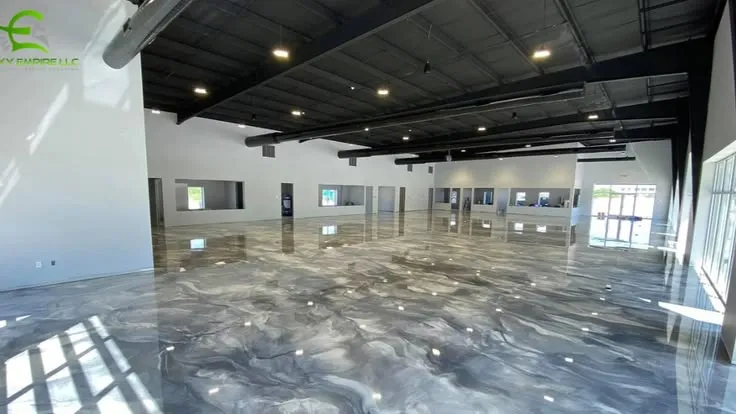
A building with several business tenants rarely has one consistent flooring requirement. An office may need a quiet, professional interior, while a neighboring retail space experiences frequent deliveries and customer movement. Property managers considering epoxy flooring charleston should evaluate how each unit operates before selecting materials. Existing concrete, lease arrangements, installation access, and future occupancy all influence the decision. A coordinated flooring strategy can help owners maintain the building without treating every tenant space as an identical renovation project.
Understand Each Tenant’s Activities
Retailers, professional offices, and service businesses use their premises differently. Some regularly move display equipment, while others operate with relatively fixed furniture and predictable visitor traffic.
Before planning improvements, speak with tenants about their working conditions. Ask which areas experience heavy movement, moisture, or frequent cleaning. Understanding these requirements can help identify appropriate finishes without installing unnecessarily expensive systems throughout the building.
Review Lease and Maintenance Responsibilities
Commercial leases may distinguish between structural repairs, tenant improvements, and routine maintenance. Flooring responsibilities should therefore be clarified before contractors begin removing existing materials.
Property managers should review relevant agreements and obtain necessary approvals. Written arrangements can identify who pays for preparation, which modifications are permitted, and what condition the premises must be left in when a tenancy ends.
Examine Existing Floor Conditions
Older commercial units may contain several generations of flooring materials. Carpet adhesives, previous coatings, patched concrete, and damaged joints can remain hidden until renovation begins.
An inspection helps establish the amount of preparation required. Significant cracks or moisture problems may need additional investigation. Covering these defects without understanding their cause can create recurring maintenance concerns after the new finish is installed.
Compare Contractors and Specifications
Businesses searching for flooring contractors charleston sc should look beyond the lowest quoted price. Surface preparation, resin formulation, coating thickness, and protective layers can differ considerably between proposals.
Request technical information about the complete system. The selected materials should match expected traffic, cleaning requirements, and environmental conditions. A product suitable for a dry office may not meet the needs of a heavily used commercial utility area.
Coordinate Work Across Occupied Units
Floor preparation can involve mechanical grinding, dust extraction, repairs, and temporary access restrictions. These activities may affect neighboring tenants even when their own flooring remains untouched.
Property managers should establish suitable working hours and communicate the schedule clearly. Ventilation arrangements, shared corridors, and delivery access deserve attention. A coordinated approach helps reduce conflicts between contractors and businesses continuing their normal operations.
Plan Around Future Tenants
A vacant unit may eventually accommodate a business with different equipment or cleaning requirements. Choosing a flooring finish based entirely on the previous tenant’s activities may limit future flexibility.
Owners should consider foreseeable changes without assuming a single coating can satisfy every possible use. Keeping installation records allows future contractors to understand existing materials and assess whether modifications are necessary.
Keep Common Areas Consistent
Entrances, shared hallways, and service corridors contribute to the overall appearance of a commercial property. Damaged transitions or inconsistent finishes can make movement inconvenient and increase maintenance work.
Choose materials that suit the traffic experienced in each location. Appropriate traction, accessible thresholds, and consistent cleaning procedures may be more valuable than elaborate decorative patterns in heavily used shared areas.
Develop a Building-Wide Maintenance Plan
Different tenants may use different cleaning products or equipment. Without clear guidance, unsuitable chemicals or abrasive methods could damage certain coatings.
Provide written maintenance information and establish a process for reporting defects. Regular inspections can help identify wear around entrances, joints, and loading areas. Early attention may prevent minor damage from spreading into occupied units.
Balance Renovation Costs With Operations
The installation price is only part of a commercial flooring project’s expense. Temporary closures, equipment relocation, and disrupted deliveries can affect tenants and property owners.
Compare quotations alongside the proposed construction schedule and curing requirements. Phased work may be possible in some buildings, but the contractor should explain whether it is technically practical. Planning around occupancy helps reduce unexpected financial disruption.
Conclusion
Flooring improvements in multi-tenant buildings require coordination between property owners, businesses, and installation contractors. Different traffic patterns, lease responsibilities, and maintenance needs should influence the selected materials. Concrete assessment and realistic scheduling are essential before approving decorative or protective finishes. For commercial property managers exploring flooring solutions in Charleston, carolinaflooringspecialists.com provides information about epoxy systems and professional surface preparation. A well-organized renovation strategy can support current tenants while allowing the property to remain adaptable as future business requirements change.